

Identifying whether a bag is made from real leather or synthetic material can be tricky, but there are several reliable ways to spot the difference. This guide will guide you through 15 practical methods to help you determine if your bag is genuine leather.
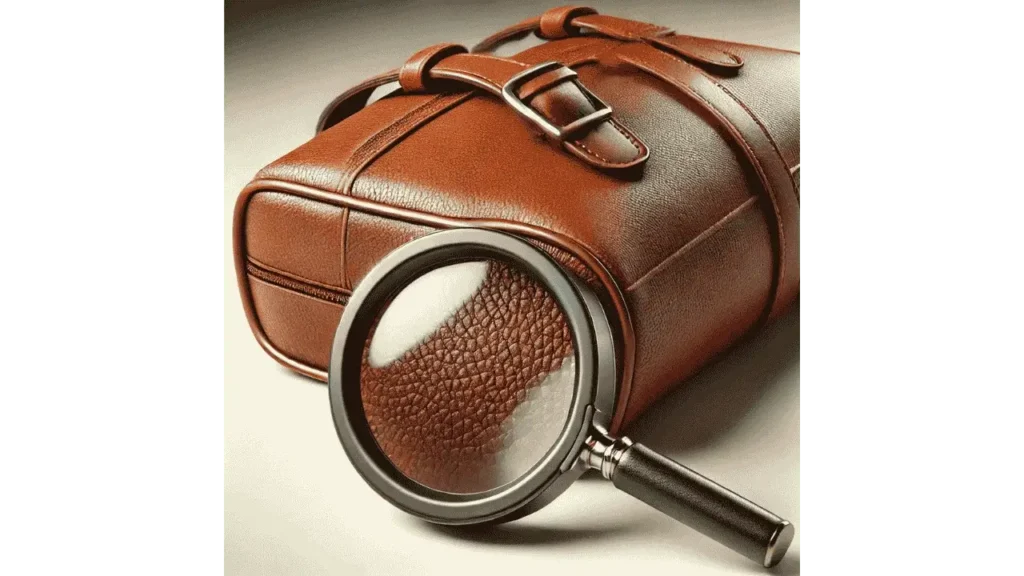
15 Ways To See If The Bag Is Made Of Real Leather
1. Sight
Examine the surface of the bag closely. Genuine leather has natural imperfections, irregular grain patterns, and slight variations in color, giving it a unique and authentic appearance. On the other hand, synthetic leather often looks too uniform and flawless, lacking the depth and texture that real leather naturally has. Pay attention to subtle marks or inconsistencies in the material, as these are good signs of genuine leather.
Learn More: Cleaning a Gucci Leather Bag
2. Touch and Feel
Real leather feels soft, supple, and warm to the touch. It has a flexible, slightly textured surface that adapts to movement and pressure. When you run your fingers across real leather, it might feel grainy or slightly uneven, unlike fake leather, which feels cold, smooth, and sometimes plastic-like. The softness and warmth of leather are hard to replicate in synthetic materials.
3. Smell
Leather has a distinctive, natural, earthy scent that is hard to imitate. This rich smell comes from the tanning and treatment process of genuine leather. In contrast, synthetic leather typically smells like plastic or chemicals due to its artificial production. If the bag has no scent or smells like plastic, it’s likely not real leather.
4. Real Leather is Absorbent
Place a drop of water on the surface of the bag. Genuine leather will slowly absorb the moisture, causing a temporary dark spot that disappears as it dries. This happens because real leather is porous. Synthetic leather, however, will repel the water, and the droplet will sit on the surface without soaking in. This simple test can reveal the authenticity of the leather.
5. Tan
The tanning process of real leather often leaves subtle marks or slight color inconsistencies. These natural signs give leather character and uniqueness. Faux leather, being factory-made, will have a consistent tone and an overly smooth finish. Look for variations in color and texture that suggest natural tanning processes.
Just In: Making a Leather Pouch Bag?
6. Price of the Leather Product
Genuine leather products are typically more expensive due to the cost of materials and skilled craftsmanship involved. If a leather bag is priced surprisingly low, it’s likely made from synthetic materials. High-quality leather commands a premium price because of its durability and the labor that goes into its production.
7. Real Leather Looks Exquisite and Not Too Perfect
Authentic leather has a luxurious, refined look but is not flawless. It may have small creases, grain variations, or even minor blemishes. These imperfections add character. Fake leather often looks too perfect, lacking the charm of natural leather.
8. Will Catch Scratches Easily
Real leather can scratch easily, and over time, these scratches contribute to a rich patina, enhancing its look. Synthetic leather resists scratches and maintains a uniform appearance. Lightly scratch a small area to see if it develops marks. If it does, it’s more likely real leather.
9. Fake Leather is Cheap
Fake leather bags are usually more affordable due to lower production costs. While they may mimic the appearance of real leather, they often feel different and wear out faster. Authentic leather products come with a higher price because of quality and durability.
10. Durable
Genuine leather is exceptionally durable and can last for decades with proper care. It withstands daily wear and tear much better than synthetic leather. Over time, it softens and develops a unique patina, while synthetic alternatives may crack and peel.
11. Not Very Shiny
Real leather typically has a natural, muted sheen that reflects light subtly. Fake leather often appears too glossy due to plastic coatings. If the bag looks overly shiny or reflective, it might be synthetic.
12. Nudge to See Wrinkles
Lightly press or bend the leather to check its flexibility. Real leather will wrinkle or stretch slightly, showcasing its natural elasticity. Synthetic leather tends to stay rigid and does not respond the same way.
13. Fire Test
Although not recommended for expensive items, burning a small hidden part can help. Real leather will char and smell like burnt hair, while synthetic leather will melt and smell like burnt plastic. Use caution with this method.
14. Structure of Bag
Genuine leather handbags usually have a firmer and more structured shape due to the material’s strength. Fake leather bags may feel flimsy or overly lightweight because of their weaker construction.
15. Real Leather is Costly
High-quality leather is expensive due to the craftsmanship and premium materials involved. A high price point is often a strong indicator of authenticity, whereas cheaper options are typically synthetic.
Final Takeaways
Identifying real leather involves using multiple senses, sight, touch, and smell, along with simple tests to check for authenticity. Real leather shows imperfections, absorbs moisture, and has a distinctive scent. Paying attention to texture, flexibility, and durability can help you confidently determine if your bag is made from genuine leather.

- How to Wear an Oversized Leather Jacket? Style Tips for a Casual Look - August 6, 2025
- How to Fold a Leather Jacket? - August 5, 2025
- How Should a Leather Jacket Fit a Woman? - August 1, 2025

